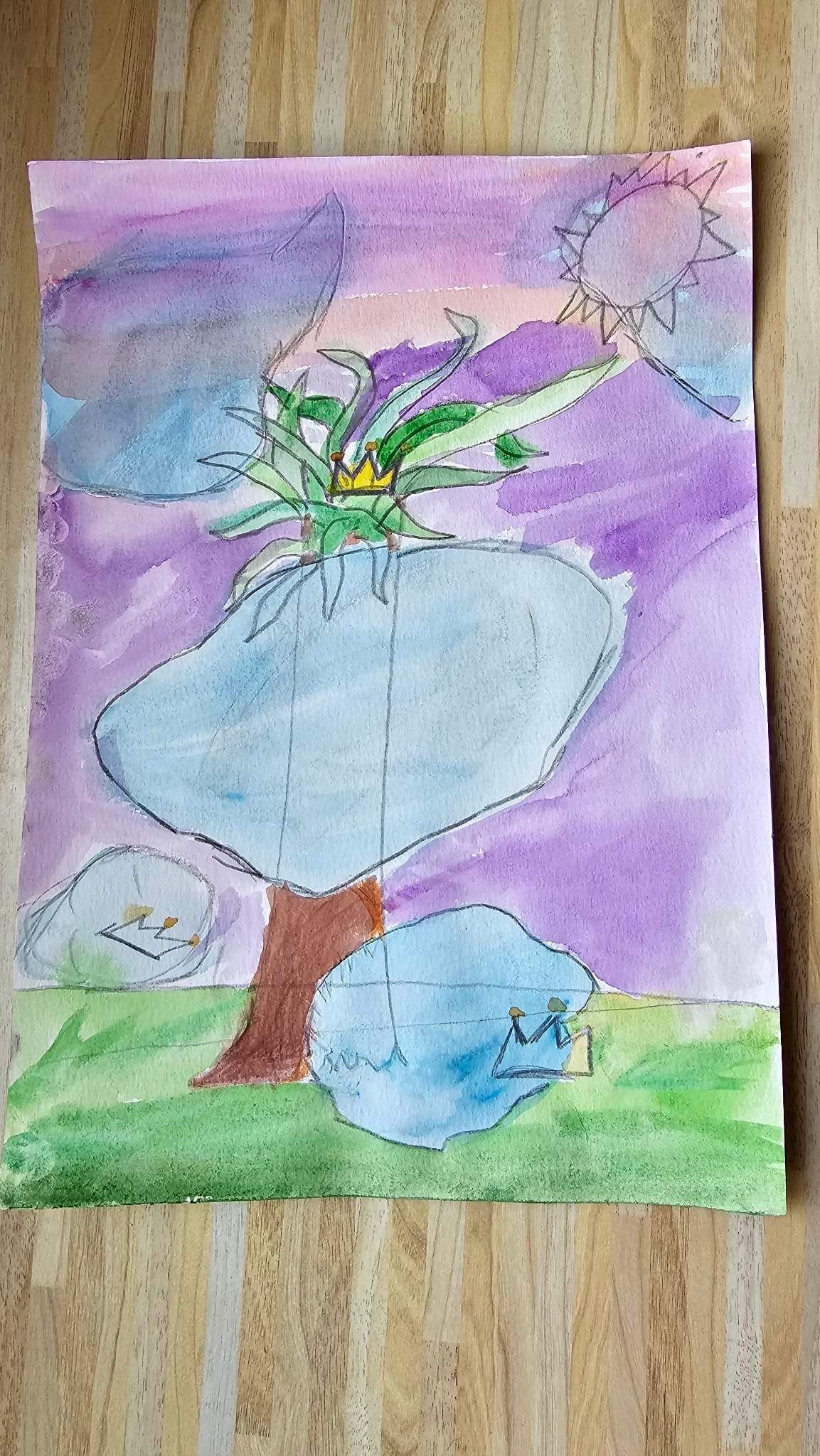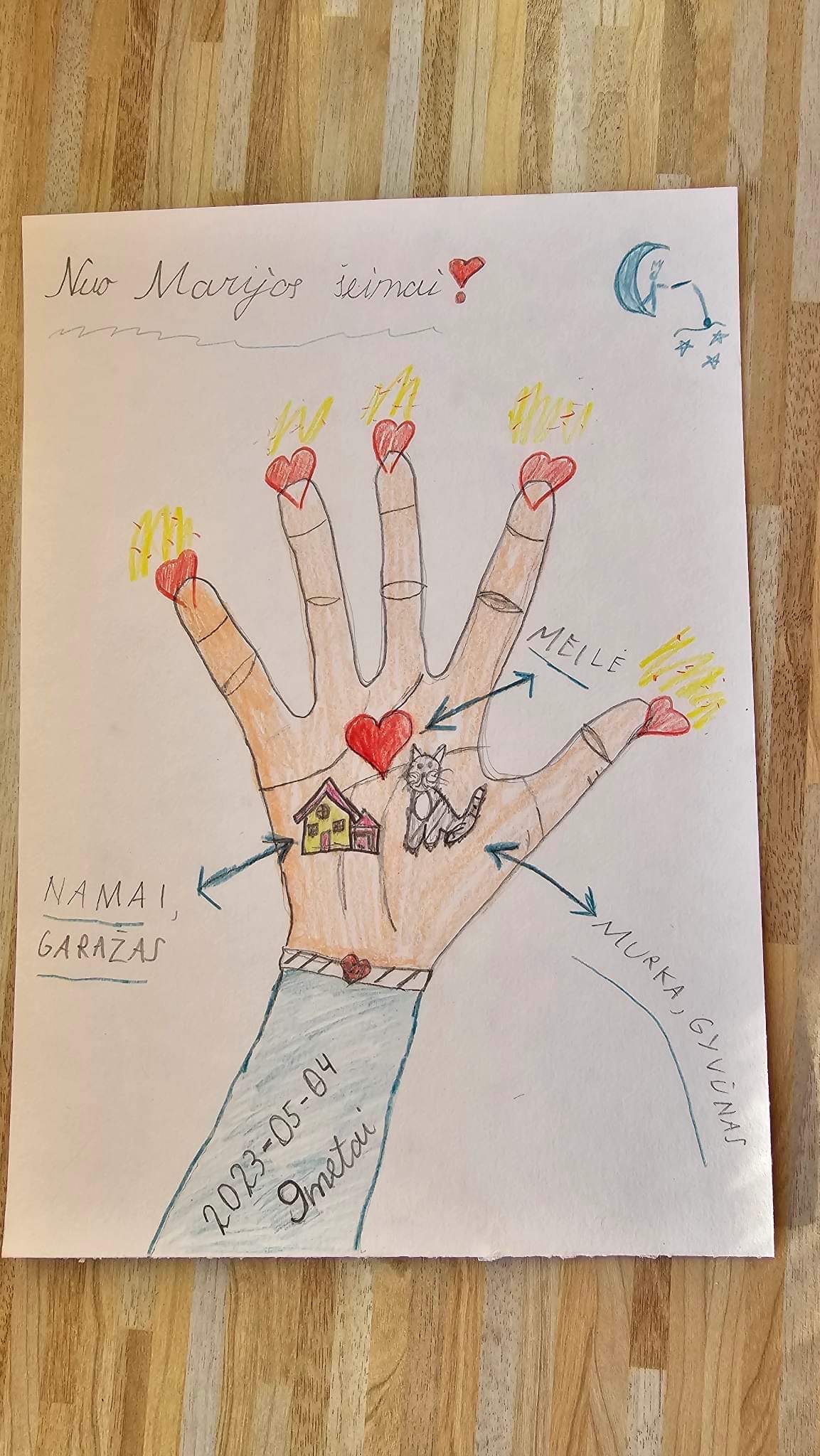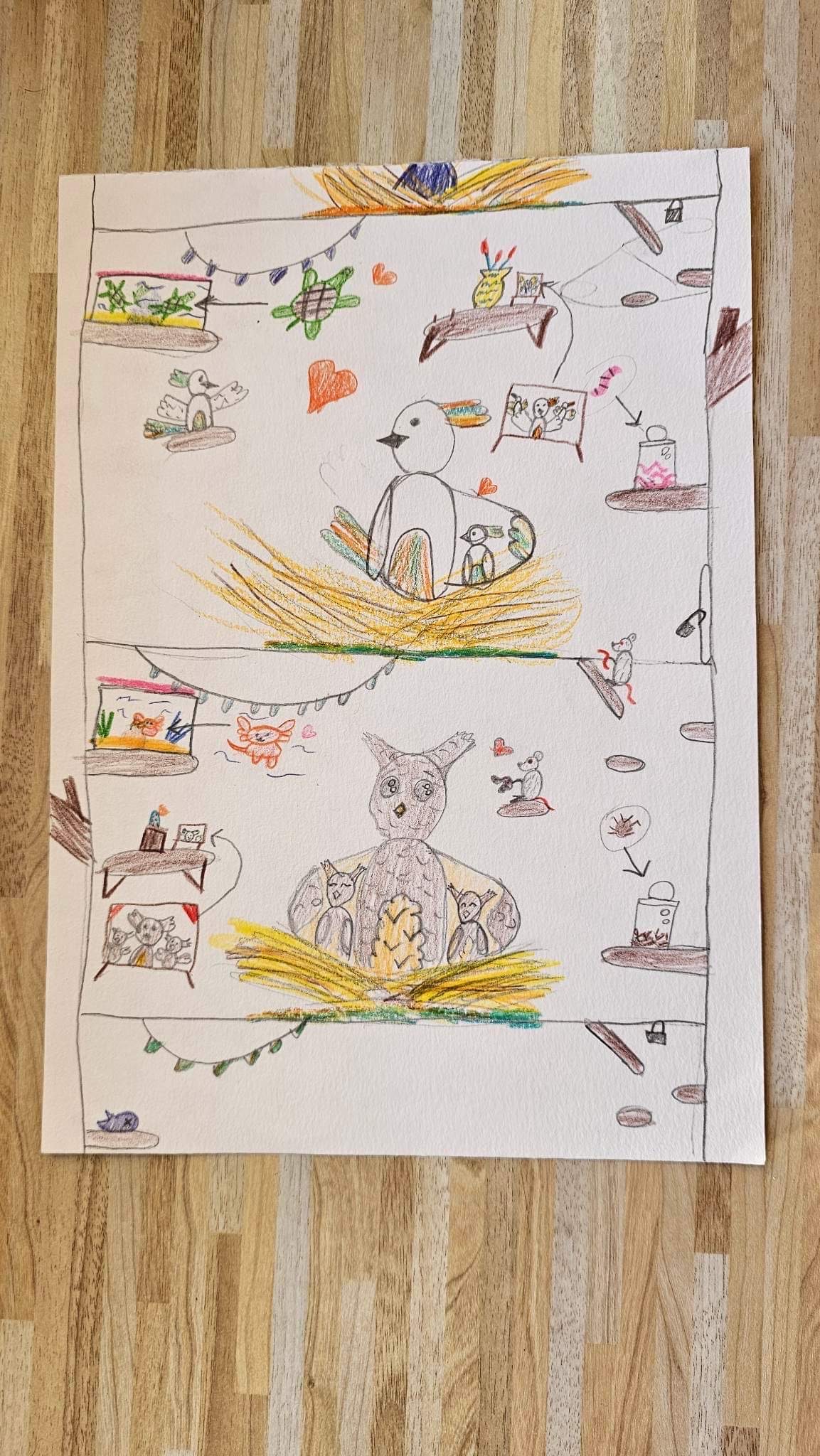

A lot of things I find after leaving home


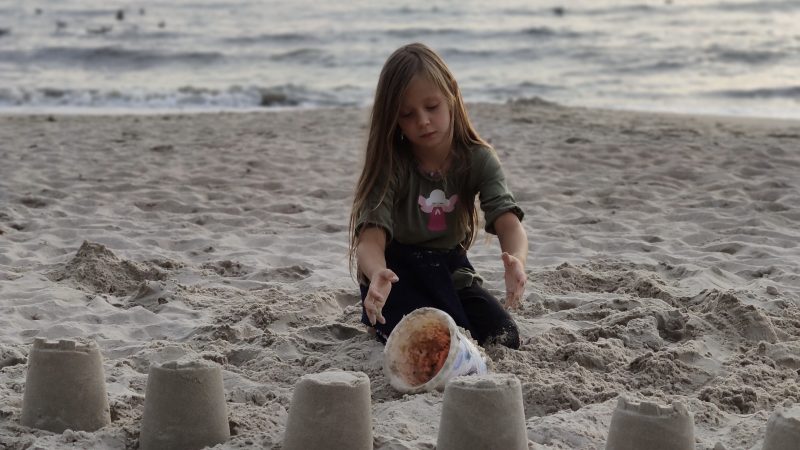
HOW IS PLAY BENEFICIAL FOR A CHILD?
Play is an inseparable part of a child’s development.
It is difficult to imagine childhood without play or a child who does not play. If, for one reason or another, a child stops being interested in play activities, both specialists and close family members would likely become concerned.
But if play is a child’s natural activity, the question arises – how does ordinary play differ from play therapy, and what purposes can it serve?
Scientific research shows (Lucas-Molina, B., et al., 2020; Reye, 2008; Jager & Ryan, 2007) that play therapy is an effective tool for working with children’s emotions and their understanding of them.
HOW IS PLAY BENEFICIAL FOR A CHILD?
Play is an inseparable part of a child’s development. It is difficult to imagine childhood without play or a child who does not play. If, for one reason or another, a child stops being interested in play activities, both specialists and the child’s relatives would likely become concerned.
But if play is a natural activity for a child, the question arises: how does ordinary play differ from play therapy, and for what purposes can it be applied? Scientific research shows (Lucas-Molina, B., et al., 2020; Reye, 2008; Jager & Ryan, 2007) that play therapy is an effective tool for working with a child’s emotions and understanding them.
It can be applied for various purposes. Depending on the child’s condition and the goals of psychological support, the methods and duration of play therapy are chosen individually. However, researchers note that play therapy is an appropriate and effective form of psychological help for children (and perhaps the only one when it comes to children aged 2–12). This is because play is the primary activity and means of expression for children from birth through early adolescence. Through play, children get to know the world, learn, express themselves, build relationships, and more. A child’s language is play, and their words are toys. As Axline states (Axline, 2012, cited in Senko & Bethany, 2019), play is the natural medium of self-expression for children. Unlike adults, who are better able to express their emotions through words, children find it much easier to communicate their feelings through play.
The main assumption of play therapy is that children use play to communicate unconscious feelings and inner conflicts, expressing them through the therapist and the play process. Just as adults use words, children—within the context of a given game and psychological issue—can express themselves by using play materials provided to them or chosen by themselves (Landreth, 2002, cited in Bratton & Ray, 2016).
Professor G. L. Landreth, a specialist in play therapy and a founder of the Association for Play Therapy (USA), describes play as an inseparable part of childhood, a unique mode that fosters expressive language, communication skills, emotional and social development, and cognitive growth.
Play therapy is a specifically developed psychotherapeutic treatment method for children aged 2–12. During sessions, a trained mental health professional—called a play therapist—works with the child to explore and help resolve difficulties using therapeutic play. The child and therapist work together in a dedicated space, called the playroom, where carefully selected toys are provided to encourage and allow the child to express feelings safely, as well as to help them discover and develop healthier behaviors (Eugster, 2013).
Professor Dvarionas, who authored the only doctoral dissertation on play therapy in Lithuania, citing Homeyer (1999, cited in Dvarionas, 2002), describes play therapy as a globally recognized and widely applied psychocorrectional method for children aged 2–12. According to the International Association for Play Therapy, it is defined as an interpersonal process in which a trained play therapist systematically applies theory-based therapeutic play models and techniques to help clients prevent or resolve psychosocial difficulties and achieve optimal growth and development. This is a timely and mature psychosocial intervention method awaiting broader scientific and practical application for the well-being of children.
V. Axline (1994, cited in Dvarionas, 2002) defines play therapy as a dynamic system of relationships between a child and an adult (the play therapist), in which specially chosen toys and play methods help the child experience safe connections with the environment and create favorable conditions to explore and express their emotions, thoughts, experiences, and behaviors.
Play therapy is, above all, a process through which children can learn many essential social, emotional, and communication skills. It helps them express emotions in relationships with others (Rye, 2008, cited in Chinekesh et al., 2014). Play therapy provides children with problems a safe distance from their psychological difficulties, enabling them to express those difficulties within a safe relationship (Ryan & Edge, 2012; Jafari et al., 2011). In essence, play therapy is a unique form of communication between the child and the therapist (Kool & Lawver, 2010).
It is also important to note that play in itself, even in a specially designed room, does not cause personality change any more than play in a schoolyard would. The essential changes in an individual are brought about by indirect interventions from the adult and by the therapeutic support of play (Chetnik, cited in Dvarionas, 2002).
REFERENCES
Jafari, N., Mohammadi, M. R., Khanbani, M., Farid, S., & Chiti, P. (2011). Effect of play therapy on behavioral problems of maladjusted preschool children. Iran Journal of Psychiatry, 6(1), 37–42.
Kool, R., & Lawver, T. (2010). Play therapy considerations and applications for the practitioner. Psychiatry, 7(10), 19–24.
Rye, N. (2008). Play therapy as mental health intervention for children. Journal of Family Health Care, 18(1), 17–19.
Senko, K., & Bethany, H. (2019). Play therapy: an illustrative case. Innovations in Clinical Neuroscience, 16(5–6), 38–40.
Lucas-Molina, B., Quintanilla, L., Sarmento-Henrique, R., Babarro, J. M., & Gimenez-Dasi, M. (2020). The relationship between emotion regulation and emotion knowledge in preschoolers: A longitudinal study. International Journal of Environmental Research and Public Health, 17, 112–123.
Eugster, K. (2013). Caution: Children at play. Retrieved from https://cacpt.com
Dvarionas, D. (2002). Play therapy in social work with children. Medicina, 38(4), 370–378.
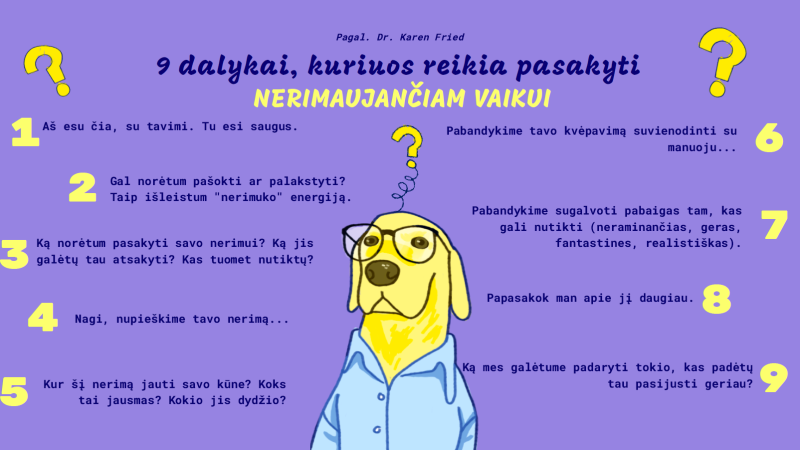
Anxiety is not a bad feeling – it is simply the brain’s way of checking whether everything is truly okay.
Anxiety is an extremely unpleasant feeling.
It causes discomfort both for children and adults. It disrupts our inner balance, creates unpleasant sensations in the body, and, of course, affects our thoughts and emotional state.
It’s no surprise that the moment we feel stronger anxiety, we want to get rid of it as quickly as possible. Not knowing how, we sometimes use the simplest but least effective method: we just tell ourselves to stop worrying!
And we often do the same with our children.
ANXIETY IS NOT A BAD FEELING – IT IS SIMPLY THE BRAIN’S WAY OF CHECKING IF EVERYTHING IS OKAY
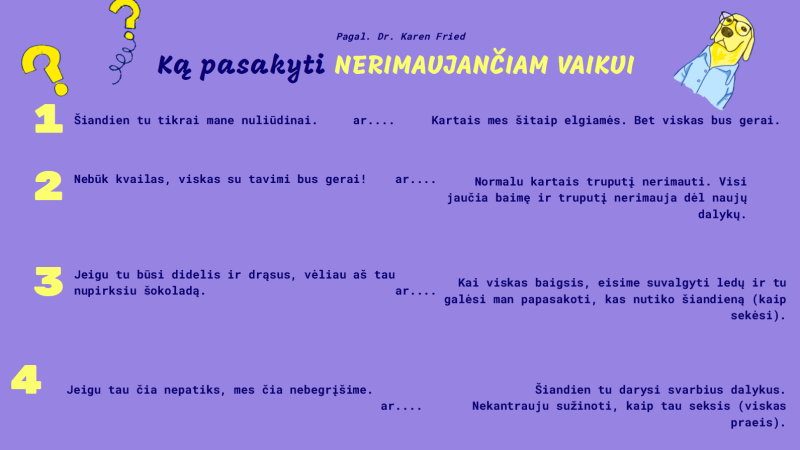
Anxiety is an extremely unpleasant feeling. It causes discomfort for both children and adults. It disrupts our inner balance, creates unpleasant sensations in the body, and, of course, affects our thoughts and emotional state. No wonder that as soon as we feel stronger anxiety, we want to get rid of it as quickly as possible. Not knowing how, we sometimes use the simplest but least effective method: we just tell ourselves to stop worrying! And we often do the same with our children:- “Stop worrying”
- “There’s nothing to be afraid of”
- “Everything will be fine”
- “Don’t be scared”
POSSIBILITIES OF APPLYING PLAY THERAPY. A REVIEW OF RESEARCH
POSSIBILITIES OF APPLYING PLAY THERAPY. A REVIEW OF RESEARCH
| Literature: Brisbois, B. (2016). The Lived Experience of Facilitating the Violet Oaklander Model of Psychotherapy for Children and Adolescents. Retrieved from: https://etd.ohiolink.edu/apexprod/rws_etd/send_file/send?accession=antioch1467798020&disposition=inline. |
| Chinekesh, A., Kamalian, M., Eltemasi, M., Chinekesh, Sh., & Alavim, M. (2014). The Effect of Group Play Therapy on Social-Emotional Skills in Pre-School Children. Global Journal of Health Science, 6(2), 163–167. |
| Dvarionas, D. (2002). Play therapy in social work with children. Medicina, 38(4), 370–378. |
| Eugster, K. (2013). Caution. Children at play. Retrieved from: https://cacpt.com/. |
| Fazio–Griffith, L. J., & Ballard, M. B. (2014). Cognitive Behavioral Play Therapy Techniques in School-Based Group Counseling: Assisting Students in the Development of Social Skills. Retrieved from: https://www.counseling.org/docs/default-source/vistas/article_18.pdf?sfvrsn=10. |
| Fried, K., & McKenna, Ch. (2020). Healing through play using the Oaklander model. USA, 8–35. |
| Hall, J. (2019). Child-centered play therapy as a means of healing children exposed to domestic violence. International Journal of Play Therapy, 28(2), 98–106. |
| Herba, C. M., Landau, S., Russell, T., Ecker, Ch., & Phillips, M. L. (2006). The development of emotion processing in children: effects of age, emotion, and intensity. Journal of Child Psychology and Psychiatry, 47, 1098–1106. |
| Yaghoobian, P., & Emadian, S. O. (2019). The effectiveness of art therapy with sand play method on behavioral disorders, emotional problems, and communication skills of children. Bali Medical Journal, 8(1), 153–159. |
| Jafari, N., Mohammadi, M. R., Khanbani, M., Farid, S., & Chiti, P. (2011). Effect of play therapy on behavioral problems of maladjusted preschool children. Iran Journal of Psychiatry, 6(1), 37–42. |
| Jones, D. E., Greenberg, M., & Crowley, M. (2015). Early social–emotional functioning and public health: the relationship between kindergarten social competence and future wellness. Am. J. Public Health, 105, 2283–2290. |
| Kool, R., & Lawver, T. (2010). Play Therapy Considerations and Applications for the Practitioner. Psychiatry, 7(10), 19–24. |
| Lewis, M. (2011). The origins and uses of self–awareness of mental representation of me. Consciousness and Cognition, 20, 120–129. |
| Lucas–Molina, B., Quintanilla, L., Sarmento–Henrique, R., Babarro, J. M., & Gimenez-Dasi, M. (2020). The relationship between emotion regulation and emotion knowledge in preschoolers: a longitudinal study. International Journal of Environmental Research and Public Health, 17, 112–123. |
| Mayer, J. D. (2018). Brief Mood Introspection Scale (BMIS): Technical and Scoring Manual (2nd Edition). Retrieved from: https://mypages.unh.edu/sites/default/files/jdmayer/files/bmistechnical_supplement_for_scoring.pdf. |
| Ofsted, M. (2005). Healthy minds. Ofsted Better Education and Care, 2457, 1–17. |
| Panksepp, J., Burgdorf, J., Turner, C., & Gordon, N. (2003). Modeling ADHD-type arousal with unilateral frontal cortex damage in rats and beneficial effects of play therapy. Brain and Cognition, 52(1), 97–105. |
| Pons, F., Harris, P. L., & de Rosnay, M. (2004). Emotion comprehension between 3 and 11 years: development periods and hierarchical organization. European Journal of Psychology, 1, 127–152. |
| Pope, D. J., Butler, H., & Qualter, P. (2012). Emotional understanding and color–emotion associations in children aged 7–8 years. Retrieved from: https://www.hindawi.com/journals/cdr/2012/975670/. |
| Rahmani, S., & Majidi, R. (2016). Game effectiveness of cognitive behavior therapy on improving social skills in children with ADHD in Sanandaj. International Letters of Social and Humanistic Sciences, (66), 96–102. |
| Ray, D. C., & Bratton, S. C. (2016). Child-centered play therapy for school prevention. Empirically based play interventions for children. Retrieved from: https://psycnet.apa.org/record/2015-14116-004. |
| Rye, N. (2008). Play therapy as mental health intervention for children. Journal of Family Health Care, 18(1), 17–19. |
| Robson, D. A., Allen, M. S., & Hovard, S. J. (2020). Self–regulation in childhood as a predictor of future outcomes: a meta–analytic review. Psychological Bulletin, 146, 324–354. |
| Nijhof, S. L., Vinkers, C. H., Geelen, S. N., Duijff, M., et al. (2018). Healthy play, better coping: the importance of play for the development of children in health and disease. Neuroscience and Biobehavioral Reviews, 95, 421–429. |
| Saarni, C. (2011). Emotional competence: a developmental perspective. In Handbook of Emotional Intelligence (pp. 68–91). San Francisco, CA, USA: Jossey–Bass. |
| Senko, K., & Bethany, H. (2019). Play therapy: an illustrative case. Innovations in Clinical Neuroscience, 16(5–6), 38–40. |
| Siakalroudi, S. G., & Bahri, M. Z. (2015). Effectiveness of cognitive behavioral play therapy group on self–esteem and social skills in girls’ elementary school. Journal of Scientific Research and Development, 2(4), 144–120. |
| Simones–Perlant, A., Lemercier, C., & Pecher, Ch. (2018). Mood self–assessment in children from age 7. Europe’s Journal of Psychology, 14(3), 599–620. |
| Smith, L. M. (2020). Neurobiological effects of trauma and efficacy of play therapy in school–based settings. Retrieved from: https://digitalcommons.lesley.edu/expressive_theses/346/. |
| Southam–Gerow, M. A., & Kendall, P. C. (2002). Emotion regulation and understanding: implications for child psychopathology and therapy. Clinical Psychology Review, 22(2), 189–222. |
| Taylor, R. D., Oberle, E., Durlak, J. A., & Weissberg, R. P. (2017). Promoting positive youth development through school–based social and emotional learning interventions: a meta–analysis of follow–up effects. Child Development, 88, 1156–1171. |
| Venker, C. E., McDuffie, A., Weismer, E. S., & Abbeduto, L. (2012). Increasing verbal responsiveness in parents of children with autism: pilot study. Autism, 16(6), 568. |
| Weare, K., & Gray, G. (2003). What works in developing children’s emotional and social competence and wellbeing? Retrieved from: https://eprints.soton.ac.uk/24058/. |